Most people visit the dentist only when something hurts. It is completely understandable — nobody looks forward to sitting in a dental chair. But here is the truth that 32 years of practice have shown me: by the time a tooth hurts, the problem has usually been quietly developing for months or even years.
"Pain is the last symptom, not the first sign. A dental checkup is designed to find the first sign — long before pain arrives."
What Happens During a Dental Checkup?
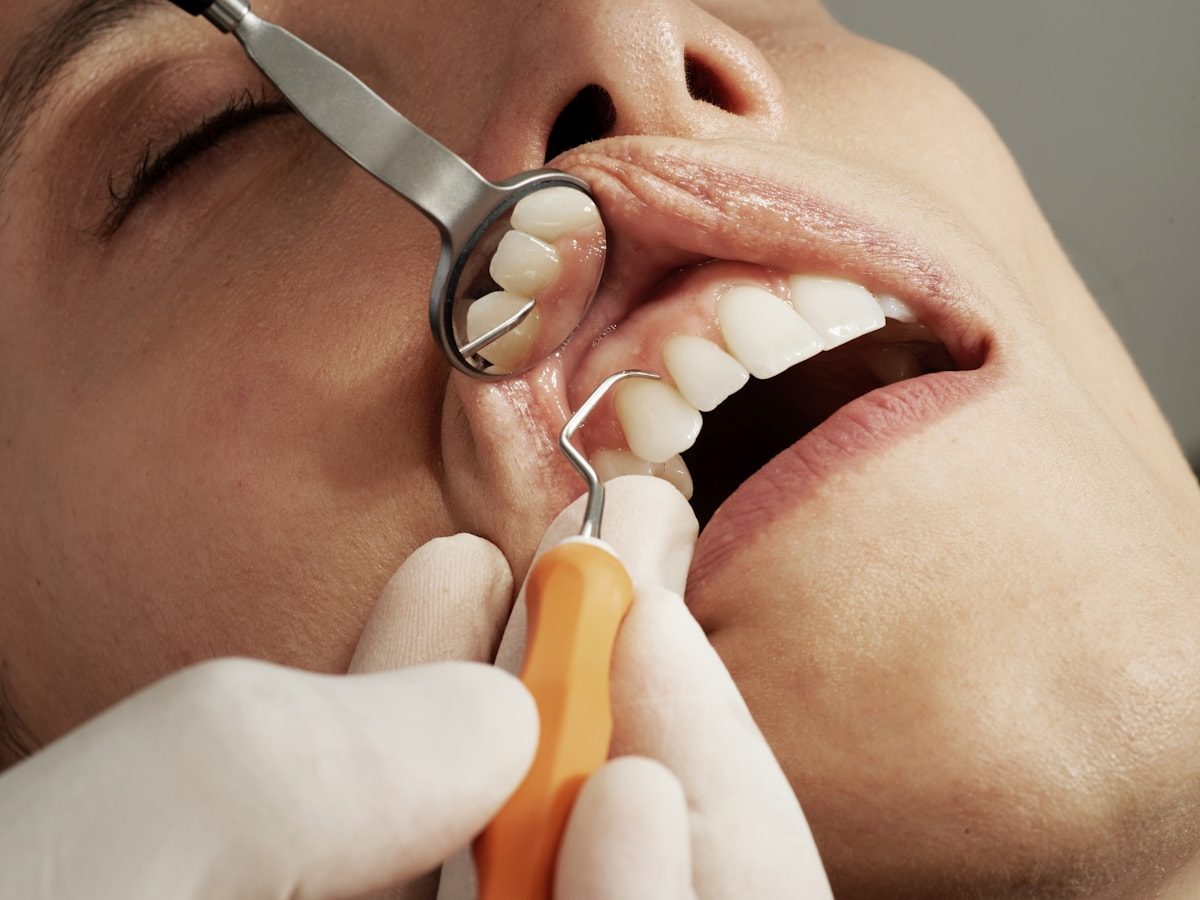
A routine dental examination at Yash Dental Clinic takes about 30–45 minutes and involves far more than a quick look in your mouth.
- Cavity detection: We examine every tooth surface — including between teeth using X-rays — for early decay. A cavity caught at this stage needs a simple filling. Left for another year, it may need a root canal and crown.
- Gum health assessment: We check for gum bleeding, pocket depth, and bone loss. Gum disease (periodontitis) is the leading cause of tooth loss in adults and is completely reversible when caught early.
- Oral cancer screening: A 2-minute visual and tactile check of the tongue, cheeks, floor of the mouth, and throat. Oral cancer survival rate exceeds 80% when caught early — versus under 40% at late stage.
- Bite and jaw check: Grinding, clenching, and misalignment cause tooth wear, cracking, and jaw pain. We identify these early and provide simple solutions.
- Professional cleaning: We remove calculus (hardened plaque) from areas your toothbrush cannot reach — preventing cavities and gum disease before they start.
The Real Cost of Skipping Checkups
Consider this comparison:
- A routine checkup + cleaning: affordable, quick, painless.
- A filling (caught at checkup): slightly more, still simple.
- A root canal + crown (what the filling became): significantly more, multiple visits, more time off work.
- A dental implant (what the tooth became after neglect): the most expensive option — often many times the cost of years of checkups combined.
The pattern repeats itself every day in dental clinics. A patient comes in with severe pain. The tooth is badly infected. What started as a tiny cavity — detectable and treatable for a fraction of the cost two years ago — now requires extensive treatment or extraction.
How Often Should You Come In?
Every 6 months is the gold standard for most adults. Children should also be seen every 6 months from the time their first tooth appears.
Some patients benefit from more frequent visits — every 3–4 months — including:
- People with a history of gum disease
- Diabetics (higher risk of gum disease and slow healing)
- Smokers
- Patients who form heavy calculus quickly
- Anyone who has had frequent cavities in the past
What About Children?
Many parents believe milk teeth do not matter because they "fall out anyway." This is one of the most common and most harmful misconceptions in dentistry. Infected milk teeth cause pain, affect nutrition, impact speech, and can damage the permanent teeth developing beneath them. Early dental visits also build a positive association with dentistry that lasts a lifetime — preventing adult dental anxiety before it develops.
Signs You Should Not Wait for Your Next Scheduled Checkup
While 6-monthly checkups catch most problems, some symptoms need immediate attention:
- Toothache or throbbing pain
- Swelling in the gum or face
- Bleeding gums when brushing
- A tooth that feels loose
- A white or red patch in the mouth that has not healed in 2 weeks
- Persistent bad breath despite good oral hygiene
A Final Word
In over three decades of practice, I have never met a patient who regretted coming in early. I have met many who wished they had come sooner. A dental checkup is not about finding problems — it is about making sure problems never get a chance to develop.
Your smile is worth the 45 minutes, twice a year.
— Dr. Vaishali S. Pharande, B.D.S.
Yash Dental Clinic, Koparkhairane, Navi Mumbai